Seeding After Brush Clearing
To seed or not to seed after clearing brush? This is a question our soil health team hears often. My typical response is that the latent seed bank will usually provide plenty of options if given the opportunity to thrive. Forbs are often the first to take advantage of the newly opened canopy and freshly disturbed soil. These plants may be considered weeds, but they can help restore recently cleared areas. Forbs are specialists at covering the ground quickly, and most have taproots adapted to scavenge for micronutrients and minerals deeper in the rootzone, which are then brought back to the surface in plant residue and recycled back into the topsoil.
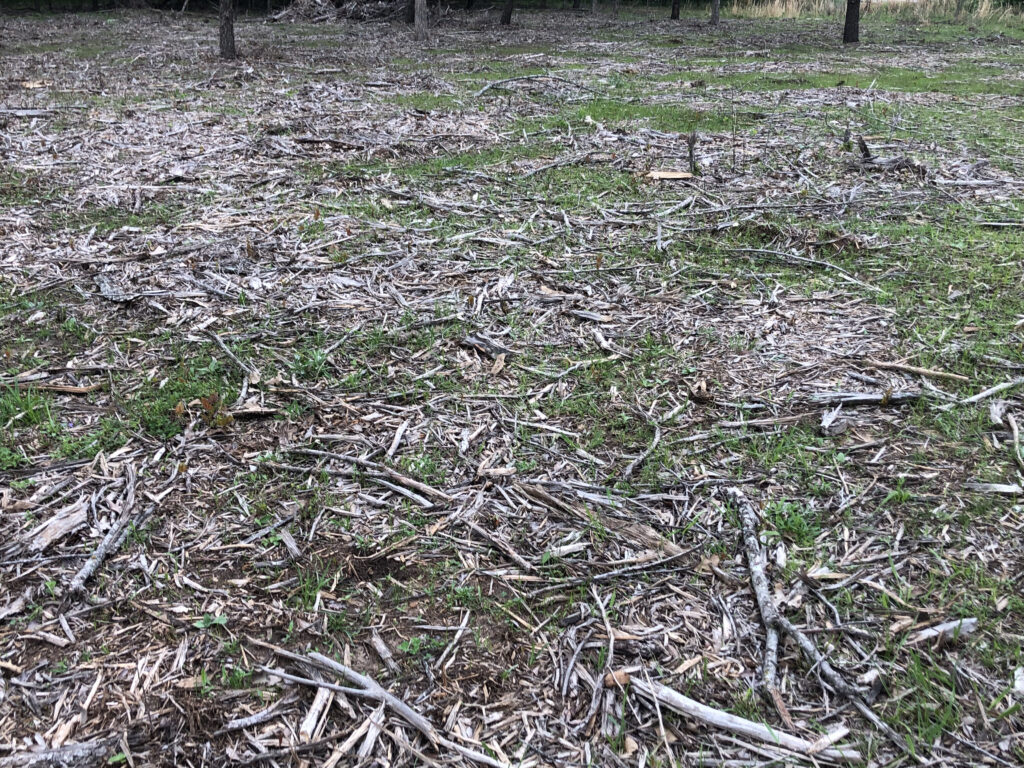
I recently had the opportunity to purchase 25 acres close to where I was raised. The area had been left to natural plant succession approximately 30 years ago. I was able to see firsthand the progression from pasture to forest. The change started slowly with a random cedar or elm tree popping up. Over time, the area had become extremely dense with multiple 4-6-inch-diameter tree trunks within a 5 ft area and 12-inch-diameter trunks within a 5-10 ft distance. Last summer, I had approximately 10 acres of the area mulched to ground level. The area was mulched due to the slope, and I wanted an even distribution of mulch across the ground to minimize erosion. I also wanted to leave close to 100% canopy coverage for rain interception until some vegetation came up for ground cover.
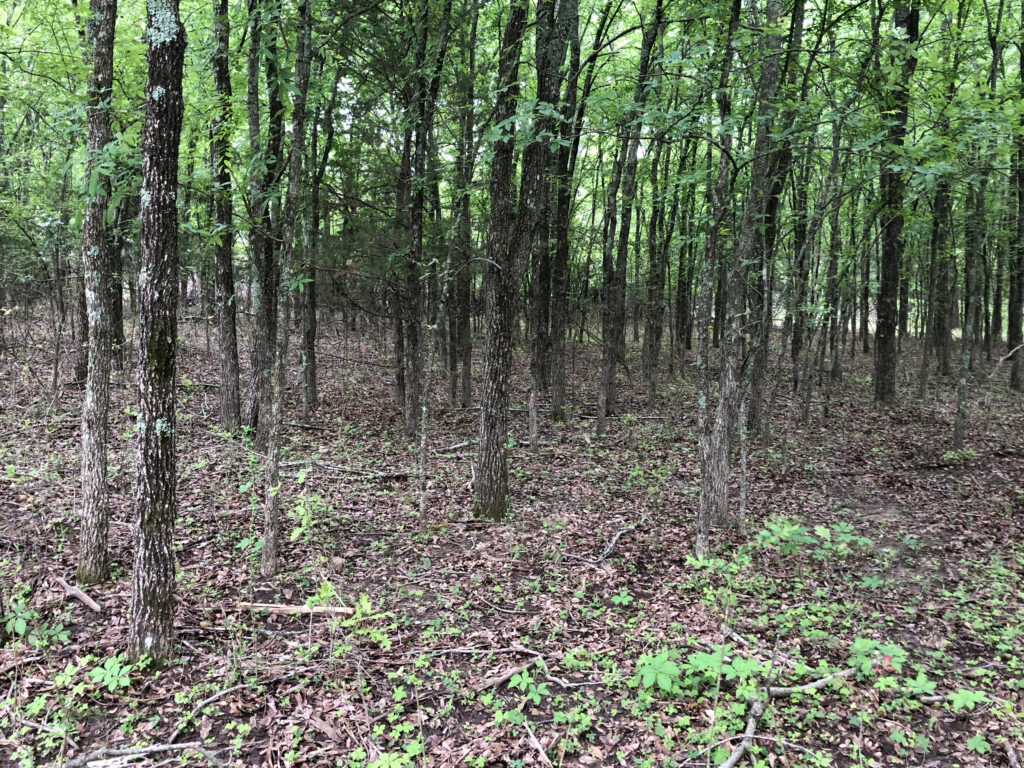
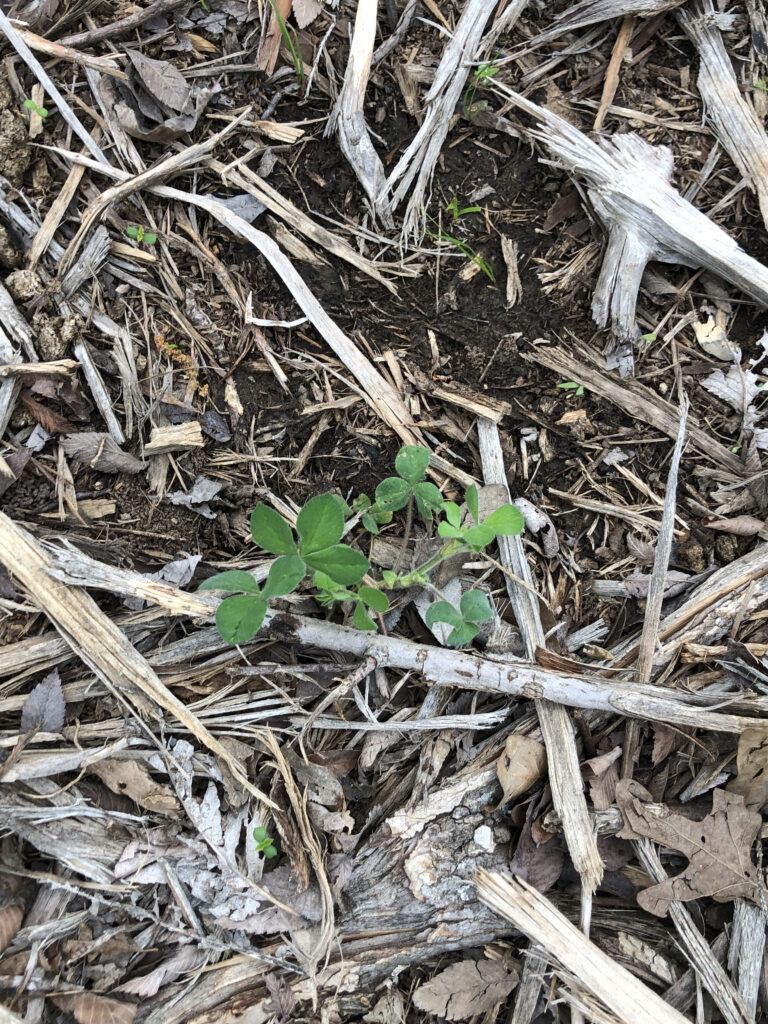
Many of the larger trees that looked structurally sound were left, as well as some random pecan trees. The larger trees will be thinned as more grass grows, leaving only the pecan trees. I chose to follow our usual guidance and not seed the area to see what vegetation would come back naturally. As I walked through the area last week, I noticed multiple plant species where there had been only trees and leaf litter. While I certainly saw a fair share of poison ivy, I also noticed clover, plantain, forbs, and a surprising amount of grass seedlings.
The previous changeover from pasture to forest was not immediate; thus, the switch back to grassland will not be immediate either. However, I continue to be surprised by how resilient, opportunistic, and flexible her nature can be when we work with her and do not force our management desires.
If you would like a free consultation with a soil health expert, please contact our Soil Health team.
Author: Josh Anderson, Soil Health Program Specialist